Image commandée

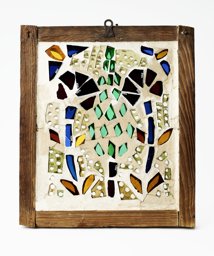
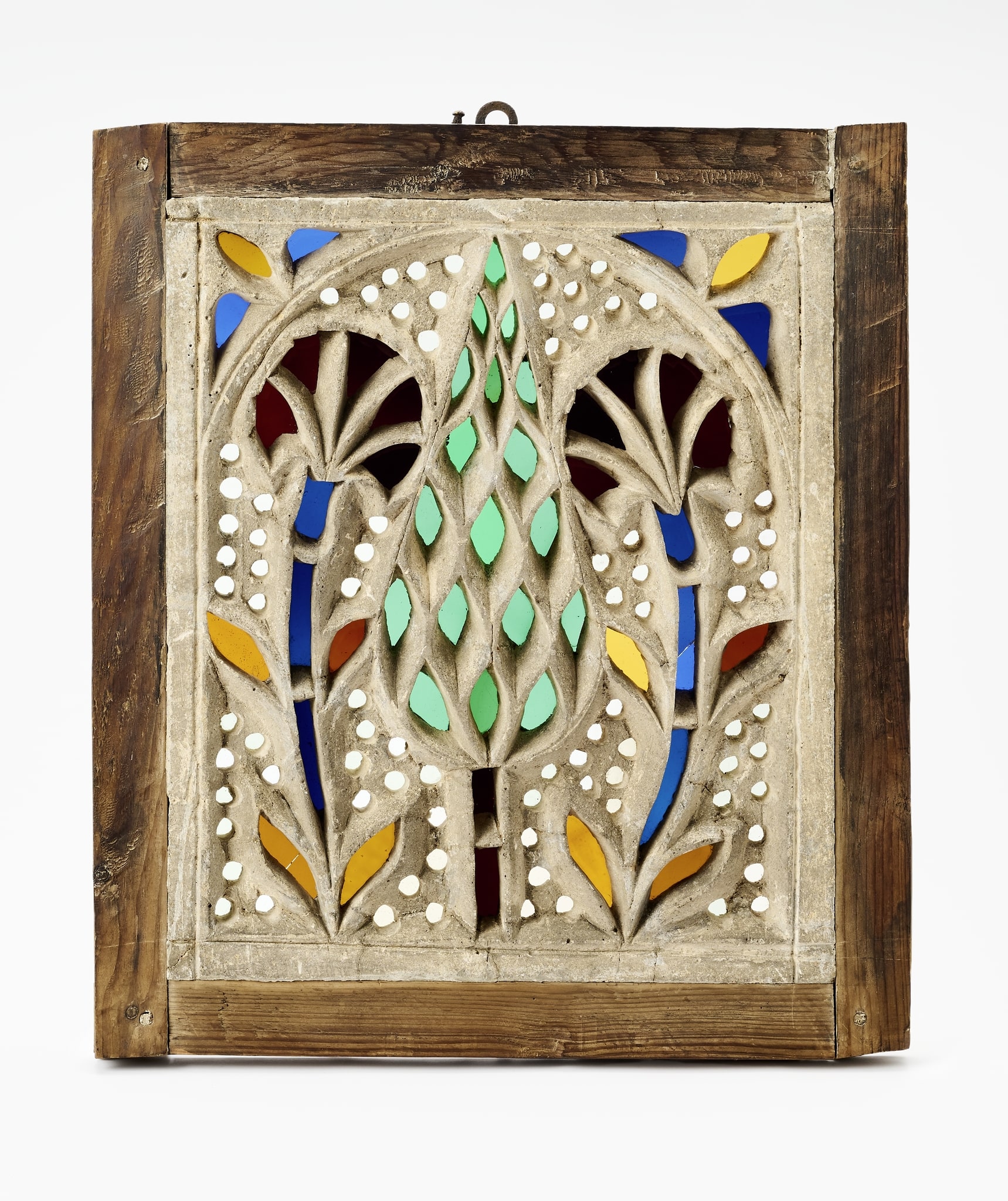
IG_499: Stucco and glass window with a cypress tree flaked by two carnations
(DEU_Leipzig_GrassiMuseum_IG_499)

Coordonnées

Prière de compléter le champ "Prénom".
Prière de compléter le champ "Nom".
Prière de compléter le champ "E-Mail".
Votre adresse e-mail n'est pas valide.

Veuillez s’il vous plaît indiquer autant d’informations que possible (titre de la publication, base de données, éditeur, nombre d’exemplaires, année de parution, etc.)

Le Vitrocentre Romont ne peut mettre à votre disposition que ses propres images. Nous ne pouvons malheureusement pas vous fournir des images de tiers. Si votre commande concerne des photographies de tiers, nous vous enverrons volontiers l'adresse de contact où vous pourrez obtenir les images.

Les données personnelles que vous avez indiquées dans ce formulaire sont utilisées par le Vitrocentre Romont exclusivement pour le traitement de votre commande d'images. La correspondance relative à la commande est archivée à des fins de traçabilité interne. Les données ne seront utilisées à aucune autre fin que celles énumérées ici, ni transmises à des tiers. En envoyant un formulaire de commande, vous acceptez tacitement cette utilisation de vos données personnelles.

Pour toute question complémentaire, veuillez contacter info@vitrosearch.ch.

Titre

Stucco and glass window with cypress tree flanked by two carnations

Type d'objet
Dimensions
45.5 x 39.8 x 3 cm (with frame); 38 x 32.5 x 2.5 (without frame, the thickness varies between 2.2–2.5 cm)
Artiste
Lieu de production
Datation
early 13th–early 14th centuries AH / 19th century CE
Lieu
Numéro d'inventaire
V15299
Projet de recherche
Auteur·e et date de la notice
Francine Giese, Sophie Wolf 2025

Iconographie

Description

The design of this stucco and glass window consists of a green cypress tree flanked by two red carnations. The tree and the flowers are framed by a semicircular arch. The spandrels above the arch are deorated with three petals. The motif is worked out in relief against a perforated background that lies c.10–14mm below the surface.

Code Iconclass
25G3(CYPRESS) · arbres : cyprès
25G41(CARNATION) · fleurs : oeillet
Mot-clés Iconclass

Matériaux, technique et état de conservation

Matériaux

Gypsum plaster, colourless glass with yellowish and greenish tint; coloured glass (green, turquoise green, blue, two shades of yellow), red flashed glass

Technique

Latticework carved into a rectangular stucco panel and inlaid with pieces of colourless and coloured sheet glass.

To create the stucco panel, gypsum plaster was poured into a wooden frame. The openings in the lattice were cut out of the stucco panel, when it was not yet completely set, using sharp tools. Once the latticework was finished, the coloured glass pieces, cut to the size of the openings using a glass cutter, were embedded in a thin layer of gypsum plaster and fixed to the back. This layer is on average 2.3–2.5mm thick. The thickness of the stucco panel is c.22–25mm.

The design of the latticework is laid out on two levels: the main design (level 0) was carved out of the stucco panel using sharp, knife-like tools and following the lines of a preliminary drawing incised in the surface of the panel. Traces of the incisions are still visible in some places on the front. The second level (level –1), which lies c.10–14mm below level 0, shows irregularly spaced, conical perforations with diameters of c.10–14mm. The holes were pierced with a metal or wooden pin in the stucco before it was fully set. The main design and the perforations have been worked in such a way that the incident light is directed slightly downwards into the room.

The holes are backed with colourless glass. Green, turquoise, blue, purple, yellow, and red flashed glass was used in the floral and geometric motifs. Small, elongated bubbles as well as uneven surfaces indicate that the glass sheets are mouth-blown. The bubbles run in parallel, suggesting the use of the broad-sheet method. The glass pieces have a thickness of c.1.5mm.

Etat de conservation et restaurations

This stucco and glass window is preserved in its original wooden frame. Probably around 50% of the glass is original.

The window was restored as part of a master’s thesis project (Rautenberg, 2003). During the restoration, the object was carefully cleaned, minor defects in the stucco lattice were repaired, and missing pieces of glass were replaced (Rautenberg, 2003, pp. 66–74). In accordance with current conservation standards, the additions are distinguishable from the original materials.

There is evidence of an earlier restoration involving the replacement of glass pieces and the use of shellac as an adhesive to consolidate fissures in the stucco lattice (see Rautenberg, 2003, pp. 14, 21–24).

Historique de l'oeuvre

Recherche

From a technical and iconographic point of view, this stucco and glass window corresponds to one of the standard types of qamariyya widespread in Egypt during the Ottoman period. Similar windows can be found in several of the collections studied (see for instance IG_18, IG_173, IG_355). In contrast to these windows, the cypress tree in this example is flanked by two carnations rather than entwined with flower tendrils.

The cypress trees is a widespread motif in Islamic arts. It can be found in numerous other media, such as ceramics, wood panelling, wall paintings, and textiles, over a long period of time, and in both sacred and profane contexts. Stucco and glass windows representing this motif are illustrated in 19th- and early 20th-century publications (see for instance IG_42, IG_47). The large number of paintings and drawings of stucco and glass windows with this motif demonstrate the great fascination of Western artists and architects for such windows (e.g., IG_118, IG_136, IG_150, IG_153, IG_438, IG_439, IG_468). The growing interest is also evidenced by the existence of several replicas of such windows installed in Arab-style interiors across Europe (IG_50, IG_59, IG_64, IG_427–430).

The window belongs to the old holdings of the Grassi Museum, which were inventoried in 2022 (Rautenberg, 2023, p. 3). There is no information on the provenance or the date of acquisition of the window. The construction of the old Grassi Museum in 1892–1895, which originally housed the Museum für Völkerkunde and the Kunstgewerbemuseum Leipzig, provides a terminus post quem for the window’s entry into the collection. The technological and material characteristics of the window, however, provide clues as to the possible origin and approximate age of the window. The design and the manufacturing technique of the window suggest that the window was made in an Egyptian workshop, possibly in the 19th century (see Technique).

Glass analyses carried out as part of a master’s thesis show that the pieces of glass may have been recycled of different origins (Rautenberg, 2003, p. 30). Some of the glass may have been imported from Europe: its characteristics indicate that the glass sheets were produced using the broad-sheet method. The technique was not widespread in the Islamic world and more commonly used in Europe. Interestingly, the Hungarian architect Max Herz (1856–1819) states in 1902 that sheet glass was imported to Egypt from Europe from the 19th century, because local sheet-glass production had come to a standstill (Herz, 1902, p. 53).

Datation
early 13th–early 14th centuries AH / 19th century CE
Période
1800 – 1899
Sites antérieures
Lieu de production

Provenance

Propriétaire
Musée GRASSI des arts appliqués, Numéro d'inventaire: V15299, Leipzig (Kreisfreie Stadt Leipzig). 19th century
Propriétaire précédent·e

Bibliographie et sources

Bibliographie

Herz, M. (1902). Le musée national du Caire. Gazette des Beaux-Arts, 3. Pér. 28, 45–59, 497–505.

Rautenber, Anika (2023). Ein islamisches Stuck-Glas-Fenster aus dem GRASSI Museum Leipzig – Untersuchungen zum Objekt, Konzeption zur Konservierung und Restaurierung sowie die Durchführung der Restaurierung. Unpublished Master thesis, Fachhochschule Erfurt.

Informations sur l'image

Nom de l'image
DEU_Leipzig_GrassiMuseum_IG_499
Crédits photographiques
GRASSI Museum für Angewandte Kunst, Leipzig. Foto: Esther Hoyer
Copyright
Public Domain

Objets et images liés

Photographies complémentaires
Stucco and glass window with a cypress tree flaked by two carnations

Proposition de citation

Giese, F., & Wolf, S. (2025). Stucco and glass window with cypress tree flanked by two carnations. Dans Vitrosearch. Consulté le 5 décembre 2025 de https://www.vitrosearch.ch/objects/2717909.

Informations sur l’enregistrement

Numéro de référence
IG_499